NOBEL PRIZE IN CHEMISTRY1909 / UNIVERSITY PRESENTATION

THE SCIENCE OF CHANGE

Wilhelm
Ostwald.

The scientist who made reaction speed and catalysis central questions in chemistry.
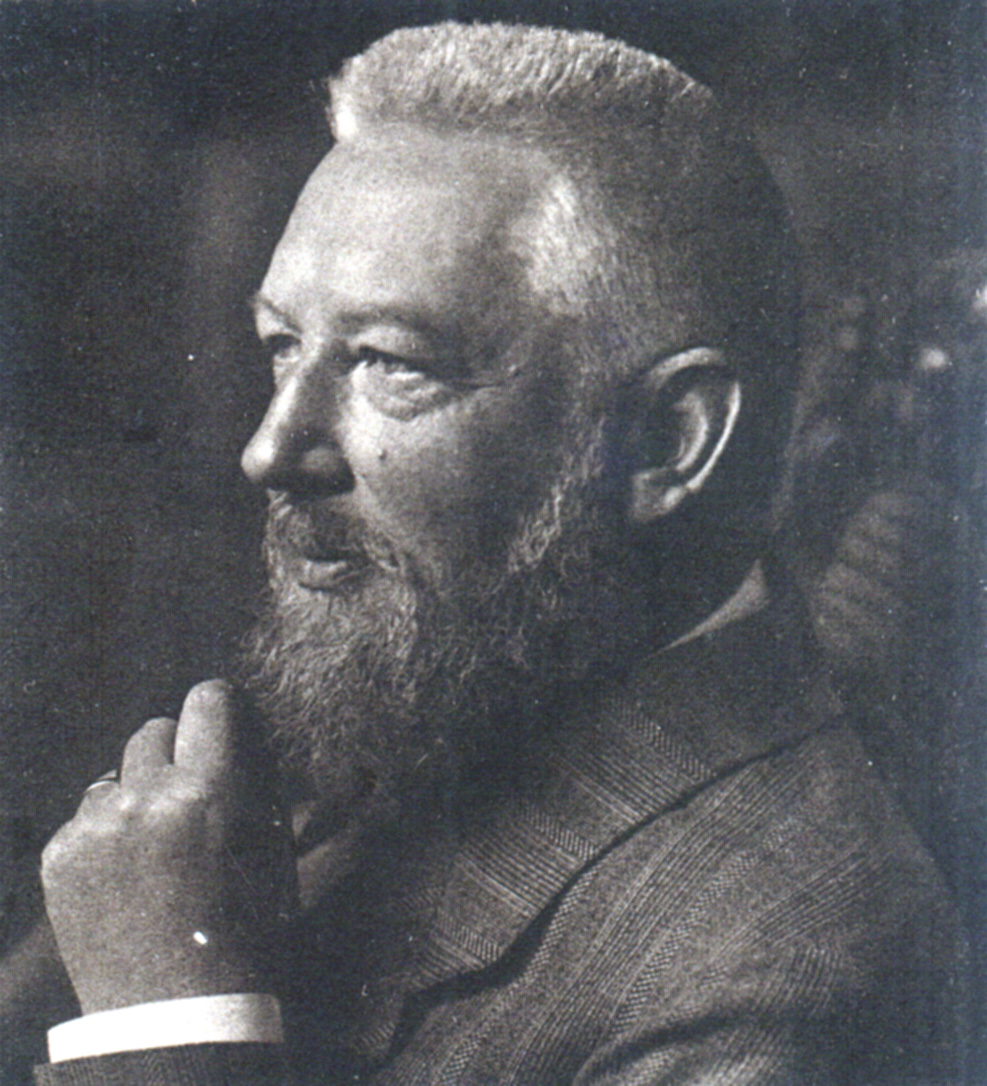
Historical portrait of Wilhelm Ostwald
WILHELM OSTWALD · 1853–1932
CATALYSIS  /  EQUILIBRIUM  /  REACTION RATES01 — 08

01 / A NEW WAY TO SEE CHEMISTRY

Physical chemistry turned reactions into measurable processes.

1878

Ostwald begins quantitative studies of chemical affinity and reaction rates.

1887

He co-founds a journal devoted to the emerging field of physical chemistry.

1909

His work on catalysis, equilibrium and rates earns the Nobel Prize.

SOURCE: NOBELPRIZE.ORG · OSTWALD FACTS & BIOGRAPHY

02 / THE CATALYSIS QUESTION

Some substances accelerate a reaction without becoming its product.

OBSERVED PROCESS
A + BREACTANTS
CATALYST PRESENTFASTER REACTION
ABPRODUCT

The catalyst affects the rate, yet is absent from the final products.

SOURCE: NOBELPRIZE.ORG · WILHELM OSTWALD FACTS

03 / A PRECISE DEFINITION

A catalyst changes reaction speed, not the final products.

ENERGYREACTION PROGRESS
WITHOUT CATALYSTWITH CATALYST

A lower energy barrier offers a faster route; the starting and final states are the same.

SCHEMATIC ENERGY PROFILE · NOBELPRIZE.ORG, OSTWALD FACTS

04 / REACTION KINETICS

Reaction rate makes chemical change measurable over time.

ILLUSTRATIVE CONCENTRATION CURVES
productsreactantsCONCENTRATIONTIME
RATE = CHANGE ÷ TIMETracking concentration lets chemists compare how quickly reactions proceed under different conditions.

CONCEPTUAL GRAPH · NOBELPRIZE.ORG, OSTWALD NOBEL LECTURE

05 / TWO DIFFERENT QUESTIONS

A catalyst reaches equilibrium faster; it does not move it.

KINETICSHow fast?
A ⇄ B

Both forward and reverse reactions can become faster.

EQUILIBRIUMHow much at the end?
A ⇄ B

At the same conditions, the equilibrium composition remains unchanged.

A catalyst changes the journey, not the destination.

CHEMICAL PRINCIPLE · NOBELPRIZE.ORG, OSTWALD PRIZE MOTIVATION

06 / THE NOBEL PRIZE

In 1909, Ostwald's work received chemistry's highest recognition.

Wilhelm Ostwald

THE OFFICIAL MOTIVATION RECOGNIZED

His work on catalysis and investigations of the principles governing chemical equilibria and reaction rates.NOBEL PRIZE IN CHEMISTRY · SOLE LAUREATE

SOURCE: NOBELPRIZE.ORG · WILHELM OSTWALD FACTS; PORTRAIT: SMITHSONIAN INSTITUTION LIBRARIES

07 / LASTING IMPACT

Ostwald's questions still guide modern chemistry.

01INDUSTRY

Catalysts help make large-scale chemical processes faster and more efficient.

02BIOLOGY

Enzymes show why catalysis matters inside living systems.

03RESEARCH

Rates and equilibria remain essential tools for explaining reactions.

FURTHER READING

NobelPrize.org · Wilhelm Ostwald: Facts, Biographical, Nobel Lecture
Smithsonian Institution Libraries · Portrait of Wilhelm Ostwald

nobelprize.org/prizes/chemistry/1909/ostwald/ · commons.wikimedia.org/wiki/File:Portrait_of_Wilhelm_Ostwald_(1853-1932),_Chemist_(2551039509).jpg

Сделано на ХостAI